
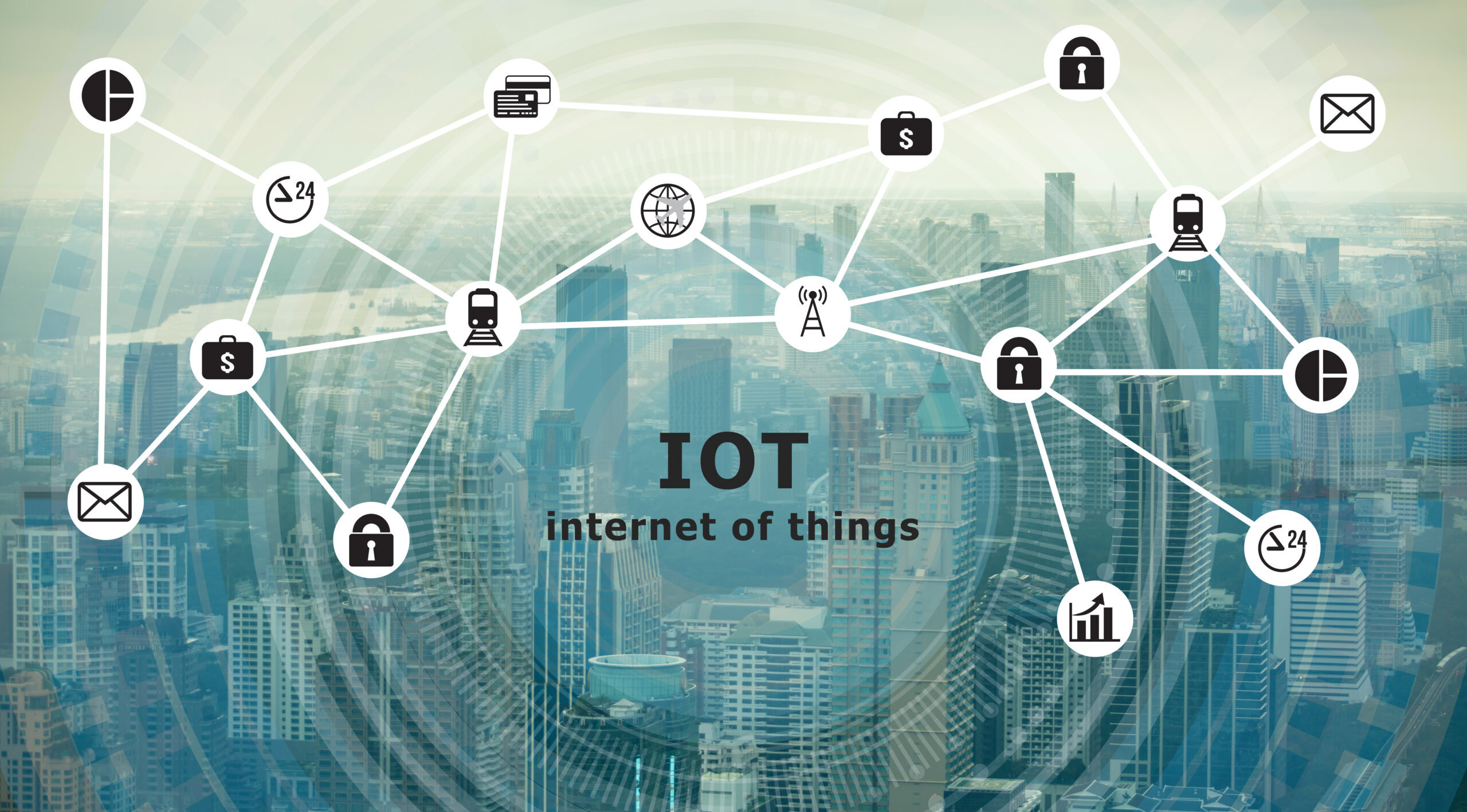
We’ve all heard the phrase “Internet of Things,” or IoT. Some of us might have a clear idea of what it is, but others might hear it and think, “Hmm, sounds like something out of a sci-fi movie!” Honestly, you wouldn’t be far off.
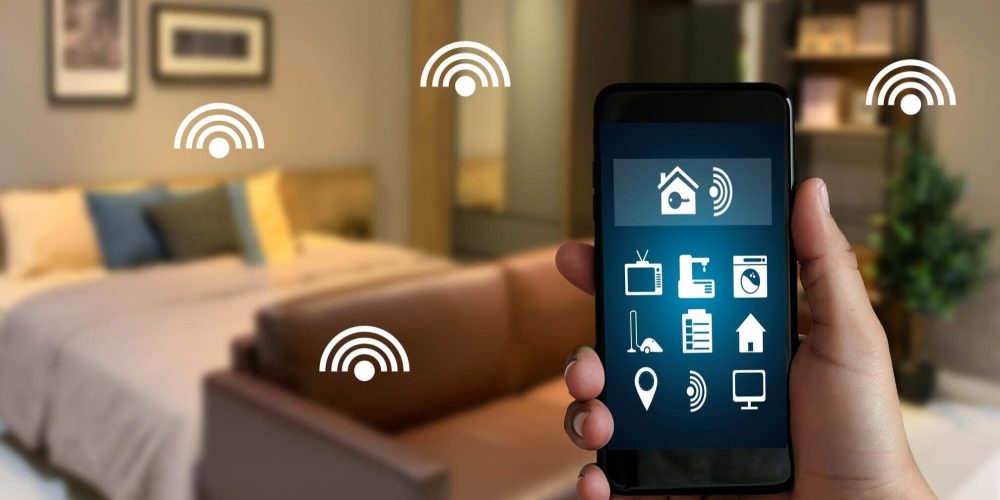
So, let’s break it down. Ever walked into your home, said “Hey Google, turn off the lights,” and – boom – they go off? Or maybe your thermostat is set to adjust automatically when you’re away. That’s the Internet of Things at work!
At its core, the Internet of Things is all about connecting everyday objects to the Internet. These objects, which were once just “things,” now have the ability to send and receive information, making them smarter. Whether it’s your fridge reminding you to buy more milk, or your smartwatch tracking your steps, it’s all part of the IoT revolution.
It’s not just about smart home devices, either. IoT extends to cars, cities, healthcare, agriculture – pretty much every industry you can think of. The world around us is becoming more connected, and it’s happening faster than you might think.
How Does It Affect Day-to-Day Life?
IoT shows up in our routines more than we realise. Here are a few common examples:
1. Smart Homes
Smart home devices are the most common and immediate way people interact with IoT. Have you ever forgotten to lock the front door when you leave for work? With IoT, you can lock it remotely. And if you’re a fan of smart assistants like Alexa or Google Assistant, your IoT-enabled devices are listening (in a non-creepy way, promise) and helping you manage your day.
2. Wearables
Another area that’s felt the impact of IoT is wearable technology. Smartwatches, fitness trackers, and even smart glasses are not only keeping us connected but also keeping track of our health.
3. Healthcare
In the healthcare sector, IoT is making a massive difference. Connected health devices can monitor patient vitals in real-time and alert doctors if something’s wrong. With the rise of IoT in healthcare, patients can now receive better care, while doctors can monitor conditions more closely – even from miles away.
What Are the Benefits of IoT?
1. Convenience
First and foremost, IoT offers convenience. You can control your home, track your fitness, manage your energy usage, and more – all with a few taps on your phone. It’s like having your very own personal assistant, 24/7.
2. Efficiency
From businesses to homes, IoT helps improve efficiency. In homes, you can automate energy-saving settings, like turning off lights when no one’s home or regulating the temperature only when it’s needed. For businesses, IoT helps streamline operations, monitor inventory, and track employee performance – all leading to better productivity.
3. Health & Safety
IoT is helping people manage their health better than ever before. It’s not just about tracking fitness anymore; IoT-enabled devices can monitor chronic conditions, alerting doctors and patients in real-time about potential issues.
What Are the Drawbacks of IoT?
1. Security Concerns
One of the biggest concerns with IoT is security. The more devices we connect to the internet, the more opportunities there are for hackers to exploit vulnerabilities. Any connected device can be a potential target. As IoT continues to grow, ensuring the security of these devices is a major challenge.
2. Privacy Issues
Many IoT devices collect personal data, from your daily routines to your health information. While this data can be incredibly useful, it can also be easily misused. Without strong privacy controls, this data can be misused or stolen.
3. Dependence on Technology
As convenient as IoT can be, it can also make us overly reliant on connected devices. We’ve already become pretty dependent on things like GPS, smart assistants, and online services. If the Wi-Fi goes down or a smart device malfunctions, we’re reminded quickly of how dependent we’ve become.

So… don’t let the Internet take over your life!
We’re all for the convenience that comes with IoT – but hey, let’s not get too carried away. It’s easy to fall into the trap of letting smart devices run our lives.
Your fridge doesn’t need to know everything you’re doing, and your smart speaker doesn’t need to hear every conversation.
In the end, IoT can make our lives smarter, but let’s not forget to stay in control.

Jarrid Roy
Support Helpdesk
